IX. Transmitting
IX. Transmitting
3 min read
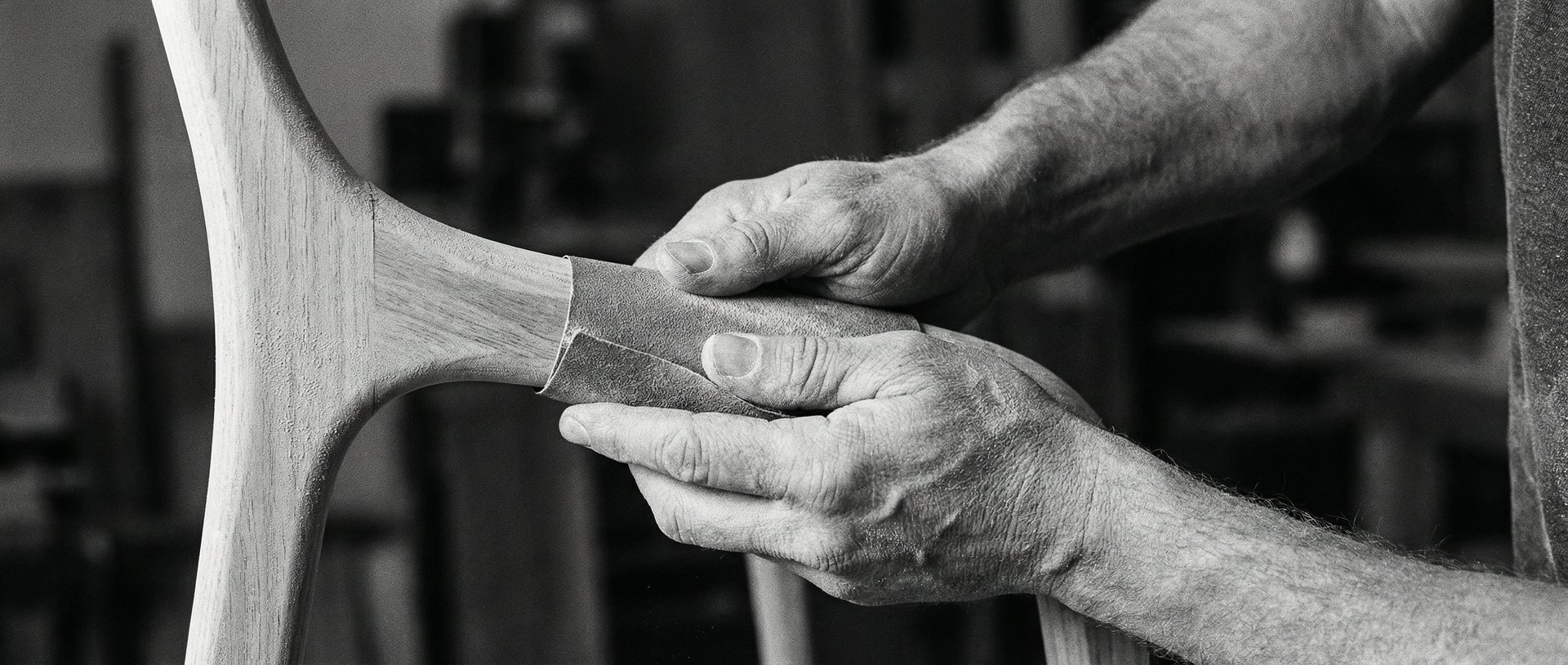
But some pieces go beyond what I can do alone. Marble, glass, bronze require machines, large workshops, and above all a know-how that I do not possess. It is often said that it takes ten years to become a good craftsman, but in reality the learning never stops. What each craftsman maintains with their material is a relationship I can only approach from the outside. Wood expands, resists, responds to the tool in a way that cannot be read from plans.
This is where transmission begins. Generally, I design my pieces with a quick sketch in a notebook, then develop the model in 3D software. Once finalised, I show the visuals and a model to the craftsmen, and we discuss the technical points to be resolved. The type of hinge for a door, a particular reinforcement, a feasibility to verify. These are decisions that require consultation with the person who will make the piece, not directives imposed from behind a desk. I have never had a technical refusal. The exceptional craftsmen I work with have a mastery of their material that allows them to push past constraints that would stop others.
I make some pieces myself. Certain Pyrite floor lamps, for example, were almost entirely produced in the studio: the design, the fabrication of the cubes, the straw marquetry. Only the marble bases and the lampshades were entrusted to craftsmen, according to my plans. I carried out the final assembly. Making things yourself means understanding from the inside what it means to work material with your own hands.
" It is during production, when the craftsman is alone with the material, far from my instructions, and must decide. That is where transmission happens."
Once the piece is in production, I check in regularly. I am not supervising, it is more that I like to see the piece being born from their hands. Their craftsmanship fascinates me. I enjoy spending time in their workshops, watching the work progress, particularly that of the cabinetmakers whose relationship with wood has something that moves me every time.
What I imagine and what is actually feasible do not always coincide, not from lack of competence, on either side, but because material has its own laws. These laws are discovered in the doing, not in the drawing. The most critical moment is not the handover of plans nor the delivery of the finished piece. It is during production, when the craftsman is alone with the material, far from my instructions, and must decide. That is where transmission happens.
3 min read
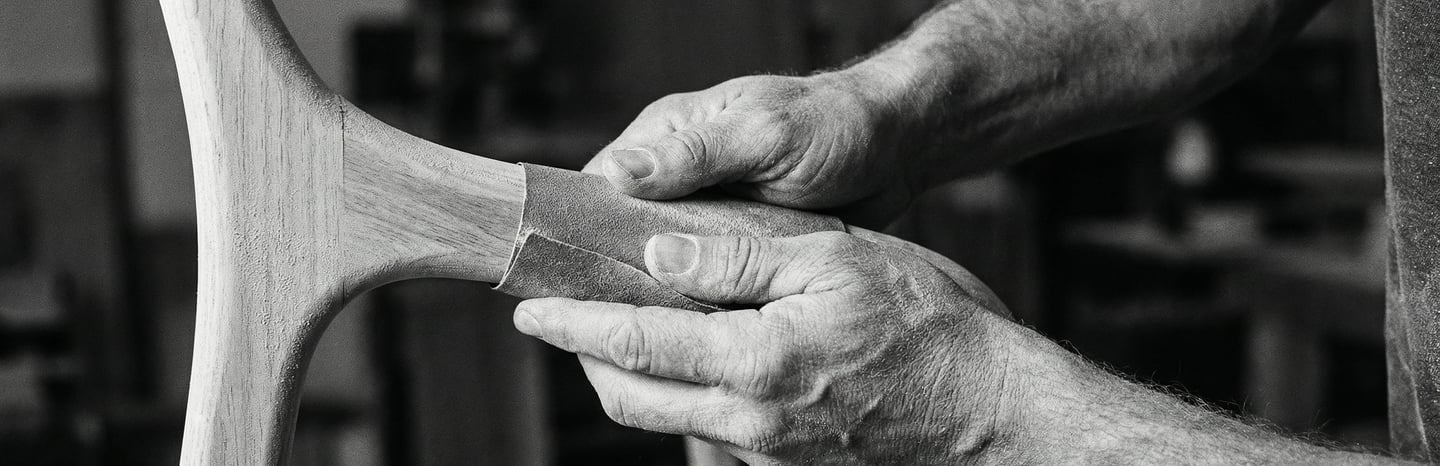
But some pieces go beyond what I can do alone. Marble, glass, bronze require machines, large workshops, and above all a know-how that I do not possess. It is often said that it takes ten years to become a good craftsman, but in reality the learning never stops. What each craftsman maintains with their material is a relationship I can only approach from the outside. Wood expands, resists, responds to the tool in a way that cannot be read from plans.
This is where transmission begins. Generally, I design my pieces with a quick sketch in a notebook, then develop the model in 3D software. Once finalised, I show the visuals and a model to the craftsmen, and we discuss the technical points to be resolved. The type of hinge for a door, a particular reinforcement, a feasibility to verify. These are decisions that require consultation with the person who will make the piece, not directives imposed from behind a desk. I have never had a technical refusal. The exceptional craftsmen I work with have a mastery of their material that allows them to push past constraints that would stop others.
I make some pieces myself. Certain Pyrite floor lamps, for example, were almost entirely produced in the studio: the design, the fabrication of the cubes, the straw marquetry. Only the marble bases and the lampshades were entrusted to craftsmen, according to my plans. I carried out the final assembly. Making things yourself means understanding from the inside what it means to work material with your own hands.
" It is during production, when the craftsman is alone with the material, far from my instructions, and must decide. That is where transmission happens."
Once the piece is in production, I check in regularly. I am not supervising, it is more that I like to see the piece being born from their hands. Their craftsmanship fascinates me. I enjoy spending time in their workshops, watching the work progress, particularly that of the cabinetmakers whose relationship with wood has something that moves me every time.
What I imagine and what is actually feasible do not always coincide, not from lack of competence, on either side, but because material has its own laws. These laws are discovered in the doing, not in the drawing. The most critical moment is not the handover of plans nor the delivery of the finished piece. It is during production, when the craftsman is alone with the material, far from my instructions, and must decide. That is where transmission happens.