III. Reading Nature like an architect
III. Reading Nature like an architect
2 min read
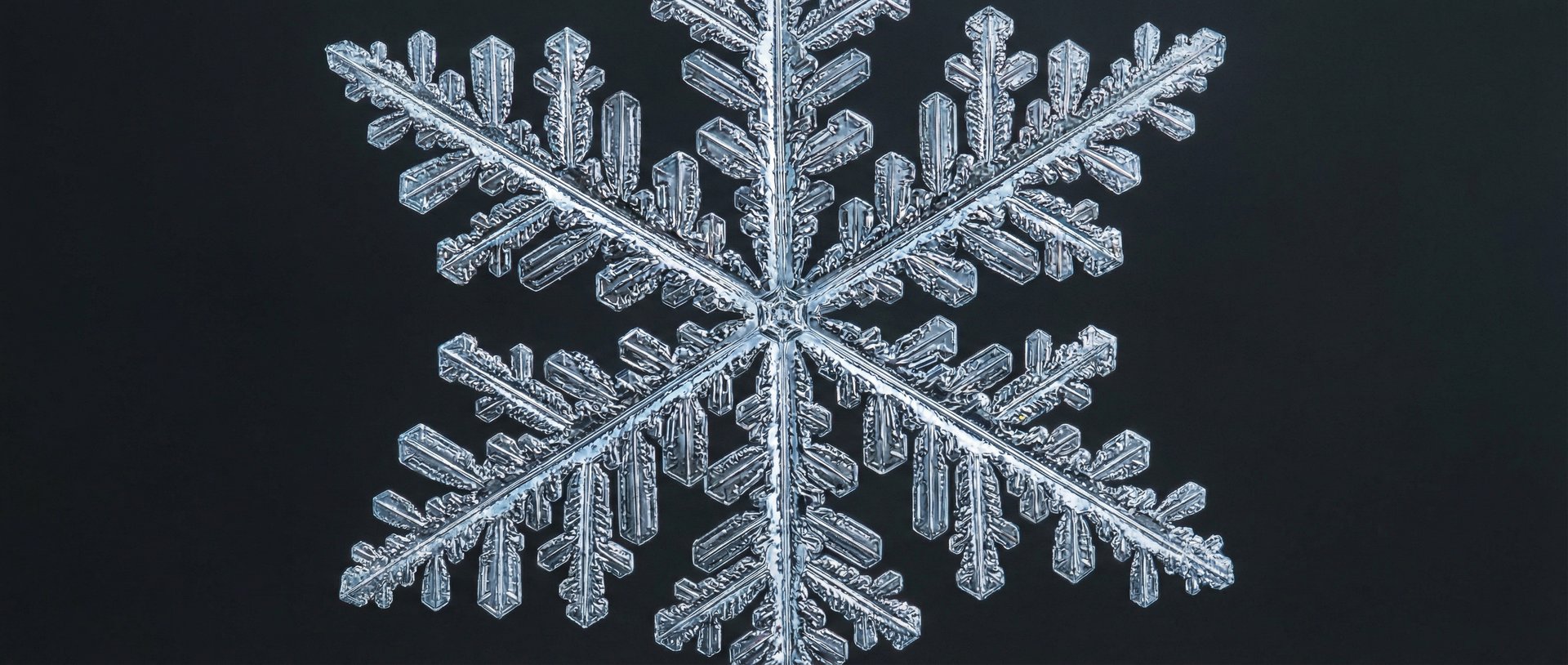
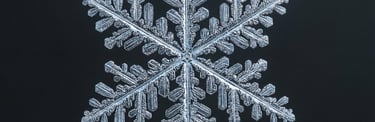
Crystallography taught me something useful: it describes form in terms of forces and equilibria, not in terms of intention. A crystal is what it is because its atoms arranged themselves along the most economical path, the beauty of the result was not in the brief. A leaf vein is the same thing: a solution to a distribution problem, not a decoration. The elegance is there, but it was not the objective.
What stops me is first the visible result. A form glimpsed while turning a page in a book, sometimes on a screen, something in the geometry that holds the eye. The work that follows goes from macro to micro, from the visible to the invisible: understanding what produces that form, its architecture, its structural logic. That passage from surface to structure is where the work truly begins.
I am not a naturalist. It is not what nature produces that concerns me, it is how it produces it. Why these forms and not others, what internal constraints, what invisible economy, generate these precise geometries.
" Not beautiful in the ordinary sense, resistant. A form that holds."
This is not easy to maintain. The temptation to make something beautiful is constant, and easy beauty, the kind that pleases immediately, is almost always what leads away from rightness.
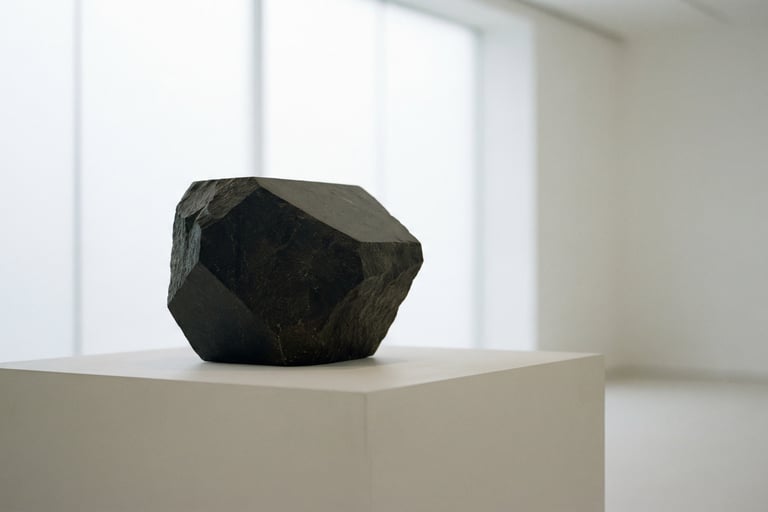
What I seek to produce are pieces that do not resemble nature but owe it something essential. An internal coherence that is immediately perceptible, the sensation that a form could not have been otherwise. Not beautiful in the ordinary sense, resistant. A form that holds.
2 min read
Crystallography taught me something useful: it describes form in terms of forces and equilibria, not in terms of intention. A crystal is what it is because its atoms arranged themselves along the most economical path, the beauty of the result was not in the brief. A leaf vein is the same thing: a solution to a distribution problem, not a decoration. The elegance is there, but it was not the objective.
What stops me is first the visible result. A form glimpsed while turning a page in a book, sometimes on a screen, something in the geometry that holds the eye. The work that follows goes from macro to micro, from the visible to the invisible: understanding what produces that form, its architecture, its structural logic. That passage from surface to structure is where the work truly begins.
Ce qui m'arrête, c'est d'abord le résultat visible. Une forme aperçue au détour d'une page de livre, parfois sur un écran, quelque chose dans la géométrie qui retient le regard. Le travail qui suit va du macro au micro, du visible à l'invisible : comprendre ce qui produit cette forme, son architecture, sa logique structurale. Ce passage de la surface à la structure, c'est là que le travail commence vraiment.
I am not a naturalist. It is not what nature produces that concerns me, it is how it produces it. Why these forms and not others, what internal constraints, what invisible economy, generate these precise geometries.
" Not beautiful in the ordinary sense, resistant. A form that holds."
This is not easy to maintain. The temptation to make something beautiful is constant, and easy beauty, the kind that pleases immediately, is almost always what leads away from rightness.
What I seek to produce are pieces that do not resemble nature but owe it something essential. An internal coherence that is immediately perceptible, the sensation that a form could not have been otherwise. Not beautiful in the ordinary sense, resistant. A form that holds.