IV. What void does to a form
IV. What void does to a form
2 min read
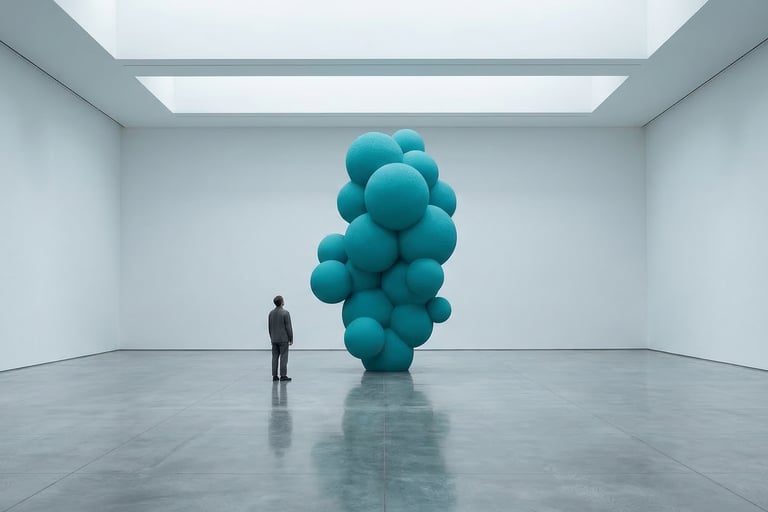
The Japanese have a word for this, ma, which is poorly translated as negative space or interval. What ma designates is an active quality of space, a presence of another kind. The void is not what is missing around the form, it is what extends it.
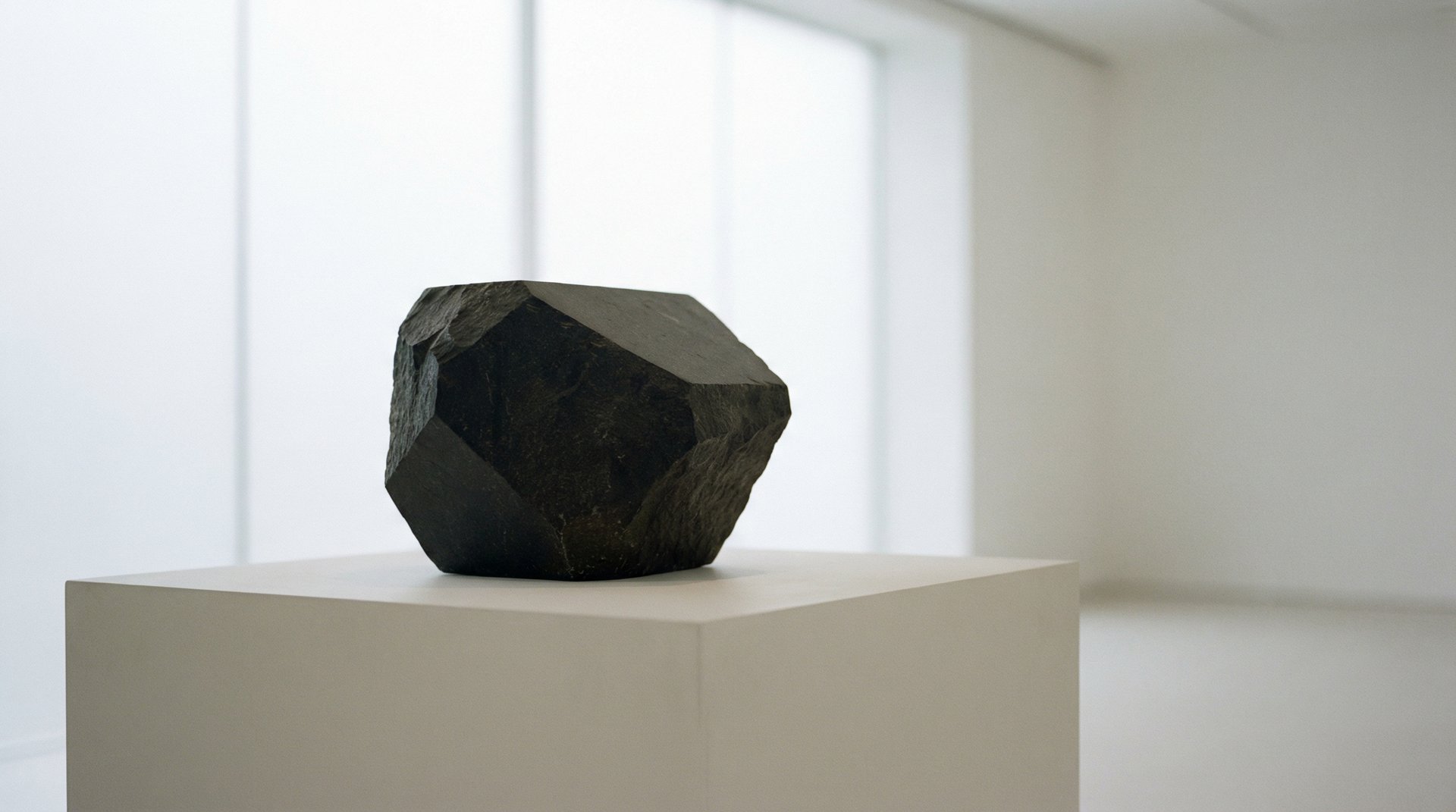
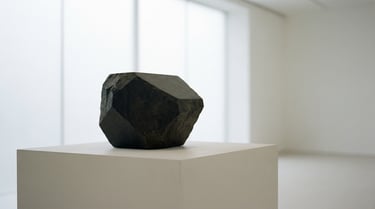
A right sculpture exists on its own. It does not need a favourable space to have meaning, but space can give it or take away its force. I have seen excellent pieces badly installed that lost part of what they carried, not their rightness but their impact. Installation is not a question of decoration, it is a question of structure.
I think about void at the same time as form, from the first sketch. Not as a residual space, not as what remains once the object is placed, but as a formal decision in its own right. The void around a sculpture is not neutral.
" The void is not what is missing around the form, it is what extends it."
Wall sculptures raise a particular question: they belong to the wall without being part of it. A painting occupies a wall, a wall sculpture turns it into an active surface, an element that participates in the piece rather than simply receiving it. In practice, designing a wall piece does not fundamentally change the work. What can change are the proportions, especially when it is a commission for a specific place whose architecture imposes its own parameters.
Most of my sculptures are conceived for themselves, in their intrinsic meaning. They do not respond to a space, they exist independently of the one that will receive them. Pieces conceived from a space, that happens too, they are mostly commissions where the architecture of the place enters the equation from the start. These are two ways of working, not two ways of thinking.
2 min read
The Japanese have a word for this, ma, which is poorly translated as negative space or interval. What ma designates is an active quality of space, a presence of another kind. The void is not what is missing around the form, it is what extends it.
A right sculpture exists on its own. It does not need a favourable space to have meaning, but space can give it or take away its force. I have seen excellent pieces badly installed that lost part of what they carried, not their rightness but their impact. Installation is not a question of decoration, it is a question of structure.
I think about void at the same time as form, from the first sketch. Not as a residual space, not as what remains once the object is placed, but as a formal decision in its own right. The void around a sculpture is not neutral.
" The void is not what is missing around the form, it is what extends it."
Wall sculptures raise a particular question: they belong to the wall without being part of it. A painting occupies a wall, a wall sculpture turns it into an active surface, an element that participates in the piece rather than simply receiving it. In practice, designing a wall piece does not fundamentally change the work. What can change are the proportions, especially when it is a commission for a specific place whose architecture imposes its own parameters.
Most of my sculptures are conceived for themselves, in their intrinsic meaning. They do not respond to a space, they exist independently of the one that will receive them. Pieces conceived from a space, that happens too, they are mostly commissions where the architecture of the place enters the equation from the start. These are two ways of working, not two ways of thinking.